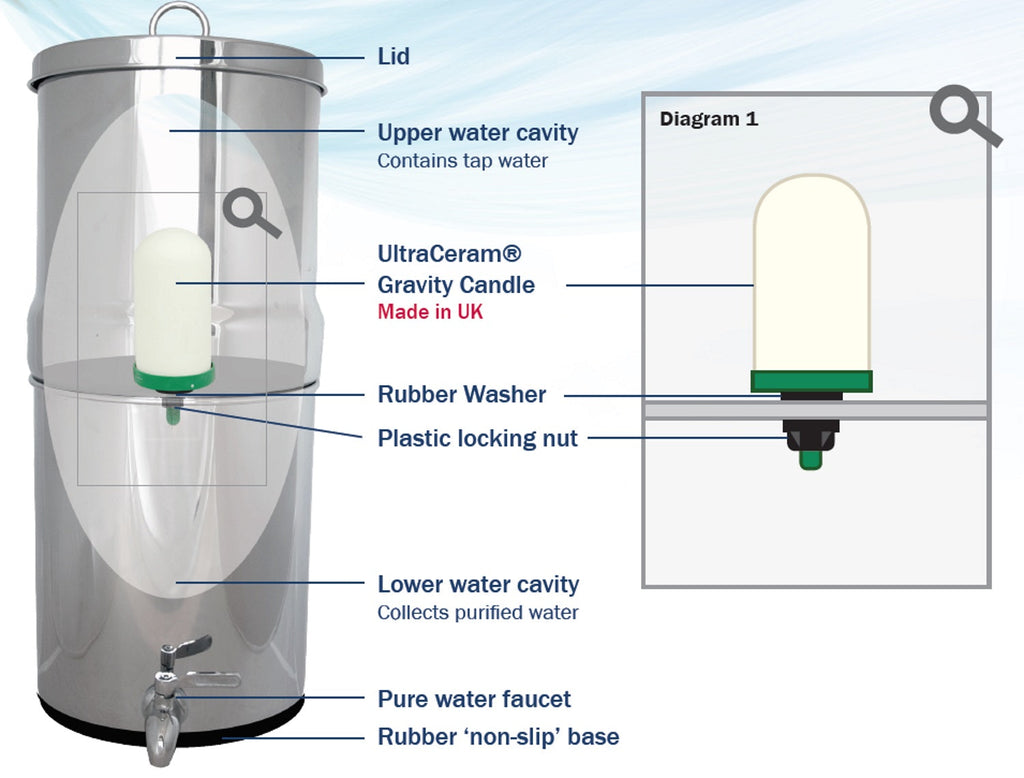
I'm in Antigua, Guatemala where the embedded video is from. As the video says, it may be "low tech", but it's not like something you can do very easily for yourself. Ecofiltro is everywhere here. But, it is more expensive then I would have thought - maybe $30 for a clay pot and $50 for it's container.
Being poor sucks but at the same time being poor also makes you find alternative solutions to the incredibly expensive solutions first world countries use today. I really wish Brazil can invest heavily into renewables and free itself from oil and electrify even more of everything we do.
That ad claims it removes microplastics. I was led to believe there are few easy ways to accomplish such a thing. Is this a, "Well technically, we started at 100ug/mL and ended at 99.8ug/mL => reduction!" or is this a meaningful improvement in water quality? The pot looks to just be clay + charcoal + silver - which is not significantly different from other home water filtration systems.
Filtering out microplastics is not particularly difficult. I just checked the first water filter brand that came to mind, and their independent test results [0] reported no detectable microplastics after filtration [1].
Having said that, the linked website above does not inspire much confidence. They have independent lab testing, which is good. However, that testing appears to only cover bacteria; and even their, only two types. Their lab testing also does not indicate any sort of methodology, and it is not clear if the lab was even attempting to test the filter, or if they were just testing the filtered water.
[0] Funded by them, and reported on their website
[1] Their sample had a known quantity of microplastics, of which they had a 75% detection rate for their control sample.
“The pot looks to just be clay + charcoal + silver - which is not significantly different from other home water filtration systems.”
Ah, the at home water filtration systems that encapsulated in plastics! Though the benefit of clean water likely makes any potential plastic contamination from the filters moot
Well the difference is that most home water filtration systems (e.g. Brita et al) are made out of plastic, so even if their filters do reduce microplastic levels, making that claim to consumers ("our plastic filters help reduce plastic in your water") might be a hard sell.
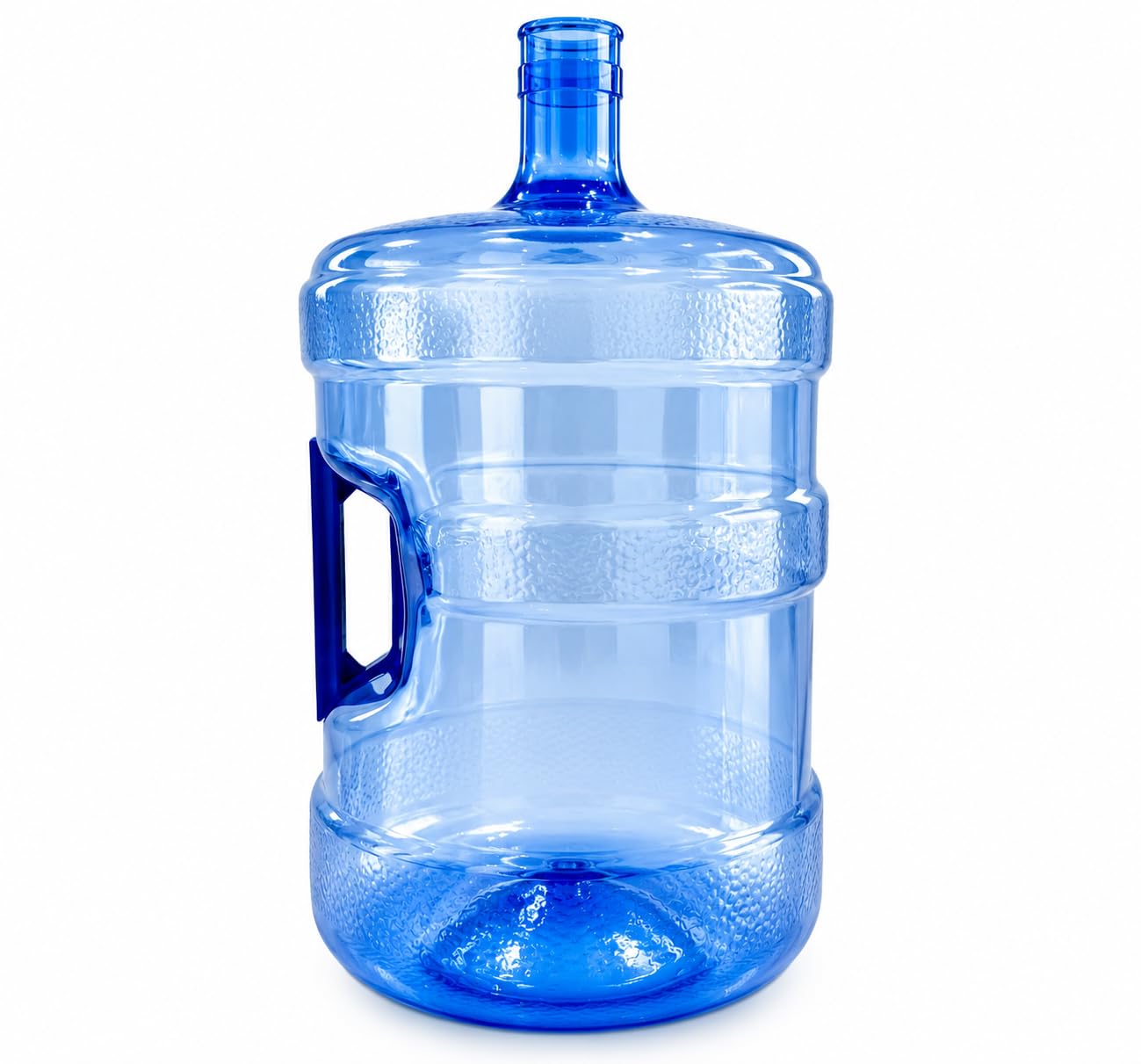
Those are plastic gallons. Plastic gallons are similar to treetalker gallons and ssl-3 gallons, in that all of these units share the property of being different compared to US gallons.
(The ssl-3 gallon is particularly strange: It isn't even a measure of volume at all.)
It's not really a unit of measurement but rather just what you'd call the container[1], which in turn is 5 gallon / 19L. But nobody says "My 19L water jug", they they just say "My water gallon".
Since most people in Indonesia get their drinking water from these jugs, stating this filter's output in "gallon" terms is just the easiest way to communicate potential savings etc (since people pay per jug, so they think in jug terms, not in any other unit of measure).
I may have had an early version of this at home in Indonesia as a kid. Given how close we were to both sea level and the equator, the fact that the water was cool, even when site power failed for days, was bliss!
I wonder if you could achieve the same effect more easily/consistently using cement. It's basically how aquifers "filter" water. Limestone is naturally permeable unlike fired clay.. were you need to control the porosity. I'd imagine cement mixtures are much easier to handle and you can make arbitrary shapes (higher surface area and higher hydraulic pressure to increase the flow rate)


reply